
Battery Precision Is Non‑Negotiable for AI Power Stability
Battery Precision Is Non‑Negotiable for AI Power Stability
Part 2: Nickel‑Zinc and the Sodium‑Ion Revolution
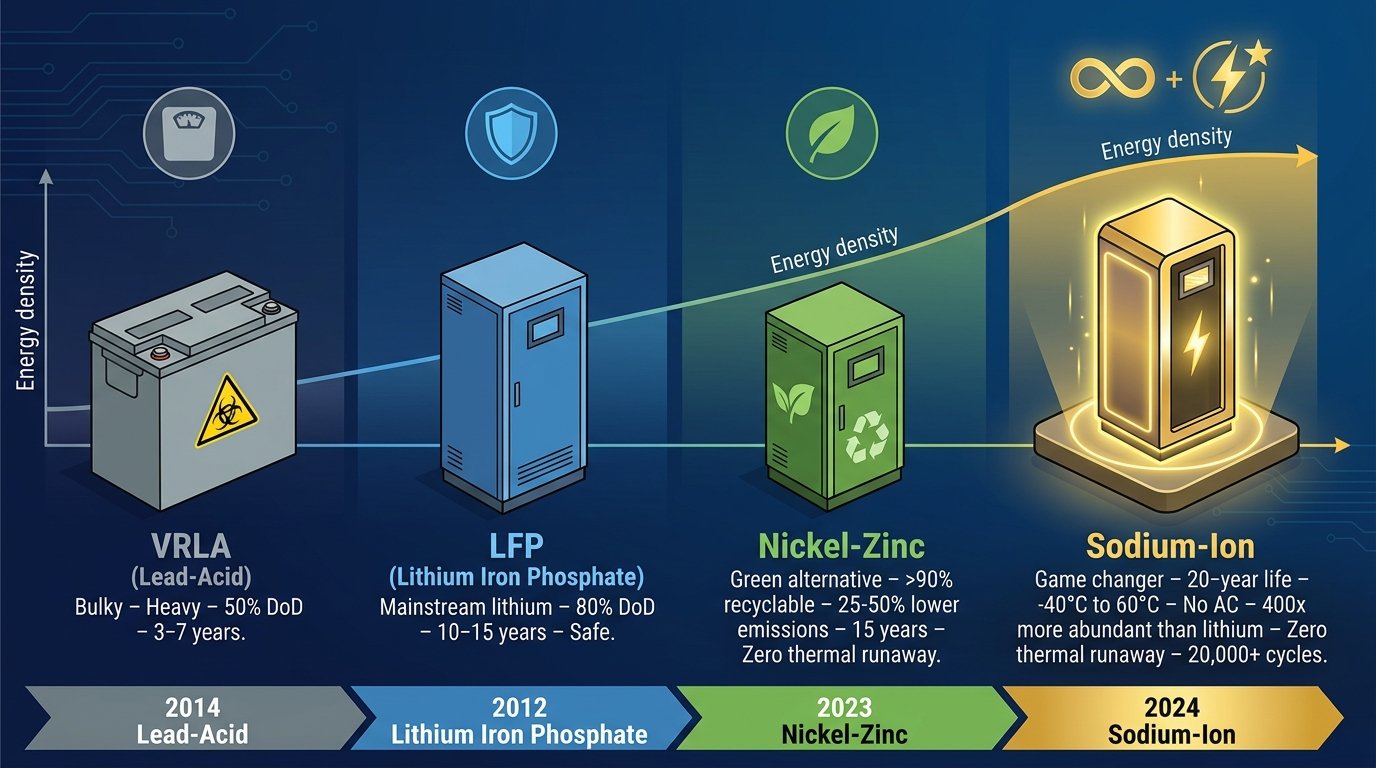
Nickel‑zinc offers a compelling non‑lithium option with intrinsic safety and 15‑year life. But the true game changer is sodium‑ion – sodium is 400 times more abundant than lithium, with zero thermal runaway risk, 20‑year life, operation from -40°C to 60°C without air conditioning, and GWh‑scale commercialisation underway in 2026. Sodium‑ion is rewriting the rules of data centre energy storage – and it is happening now.
Ecanet Engineer Approved on DTA Data Centre Panel 3
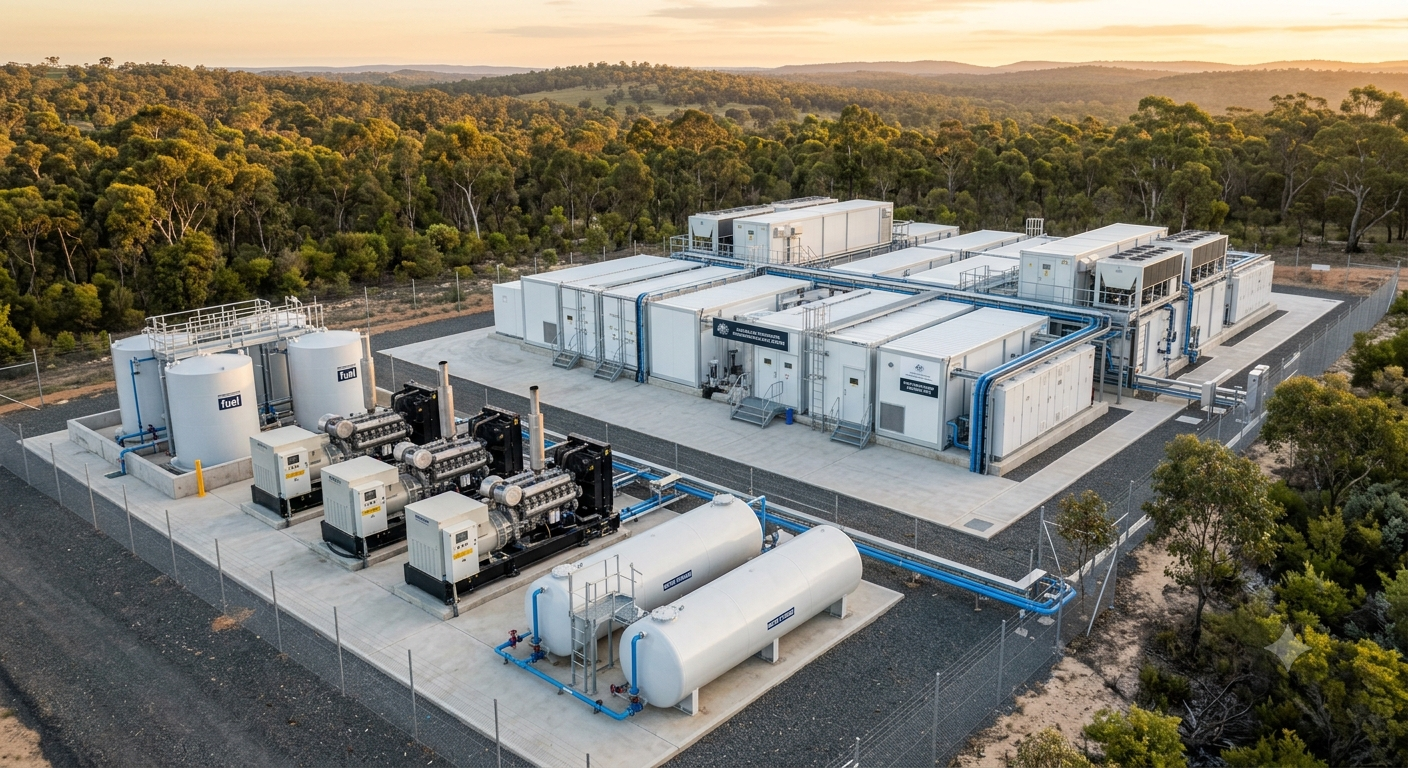
Ecanet Engineer has been formally enrolled as a certified supplier on the Digital Transformation Agency (DTA) Data Centre Panel 3.
Battery Precision Is Non‑Negotiable for AI Power Stability
Battery Precision Is Non‑Negotiable for AI Power Stability
Part 1: IPS Operations and the Full Technology Landscape
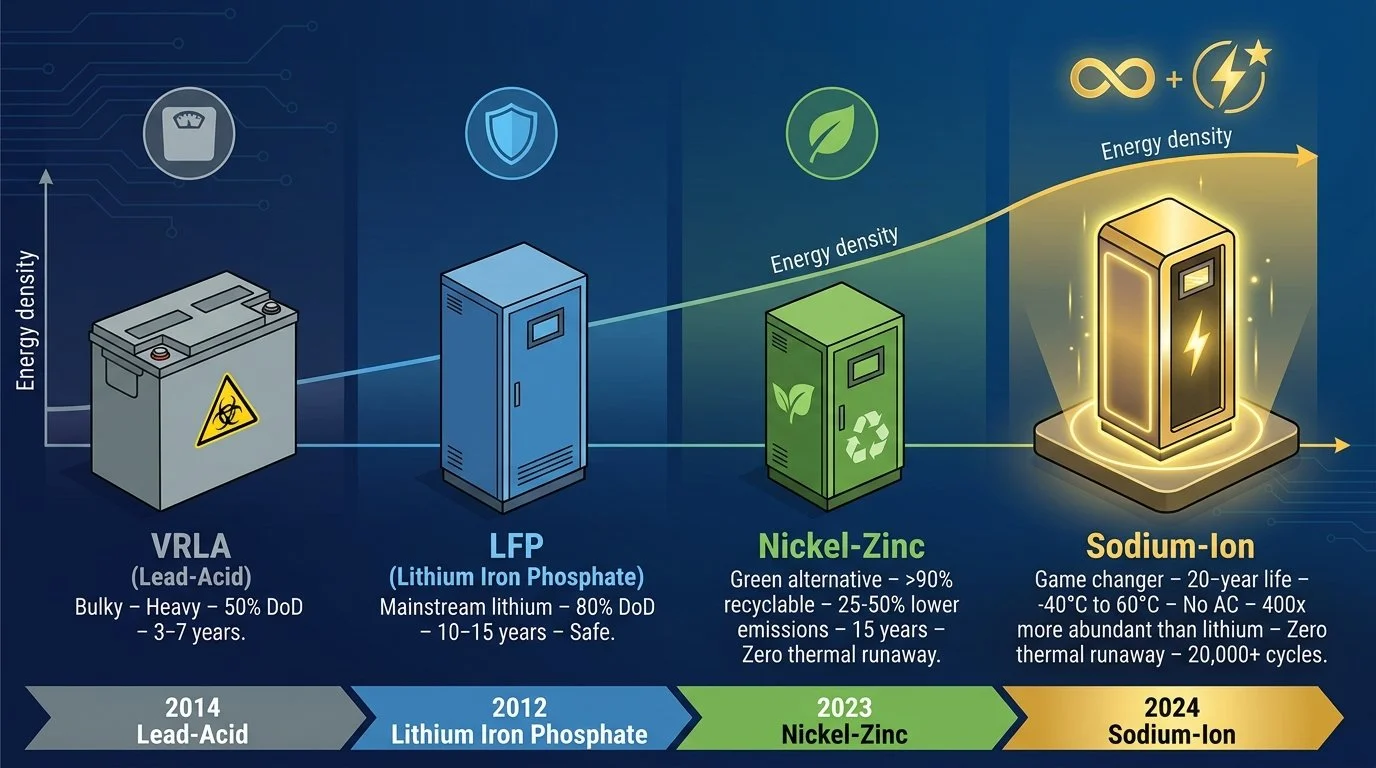
AI workloads are forcing UPS batteries into continuous, high‑frequency cycling through Input Power Smoothing. This demands extreme accuracy in three critical metrics: State of Charge (SOC), State of Health (SOH), and Depth of Discharge (DoD) – small errors can halve battery life. This article reviews the full technology landscape, from legacy VRLA to advanced lithium, nickel‑zinc, sodium‑ion, flywheels, and supercapacitors.
Engineers Are Headless No More: How Data, Knowledge, and AI Empower Teams to Lead
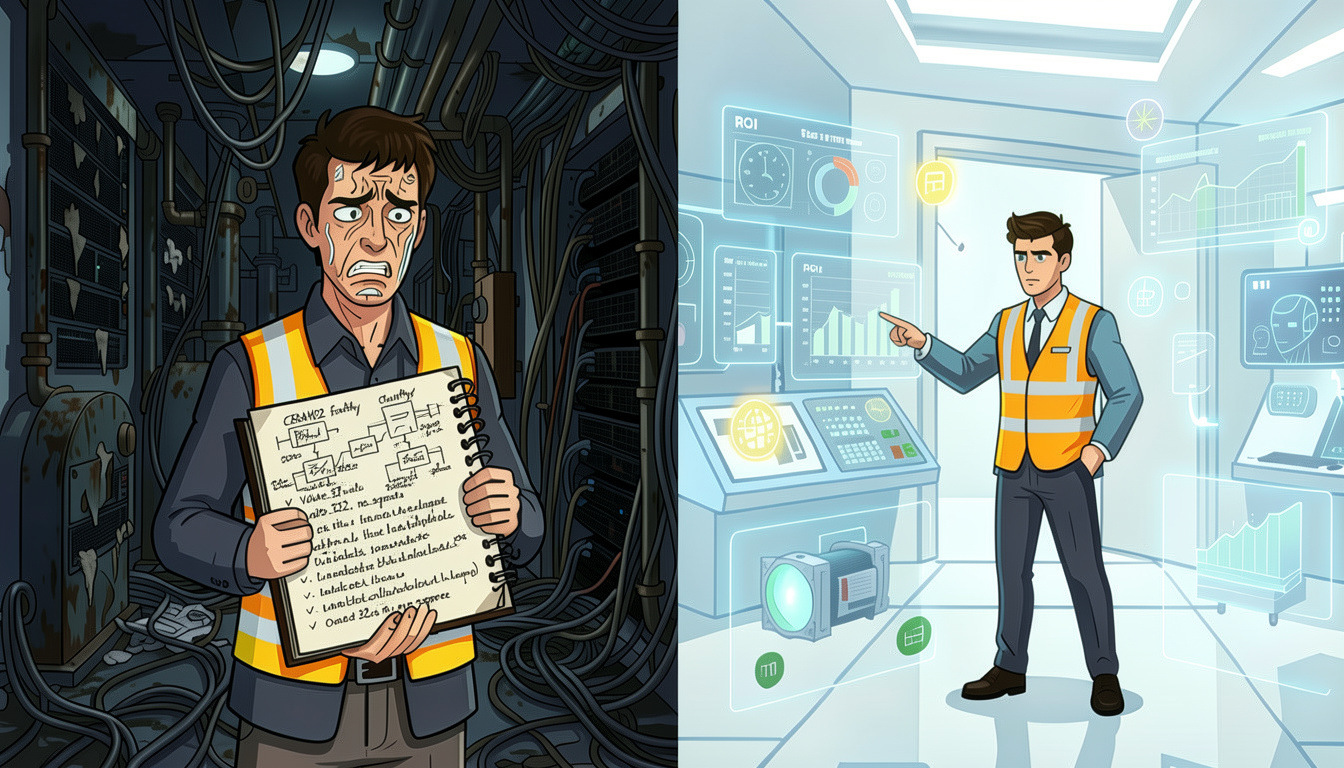
Engineers see the future – but too often, management says “No, thank you.” In 2026, the balance of power shifts. By justifying actions with hard data (using operational telemetry to spot inefficiencies like failing to enable free cooling when outdoor air is cool and dry), turning knowledge into a strategic asset (capturing decision context and automating learning from daily work), and putting AI to work with clear, repeatable actions (predictive alerts, lightweight digital twins, and intelligent triage), engineers can lead with evidence, not hunches. The goal is to stop feeling headless and start building systems that actually work.

800 VDC in the AI Data Centre: Engineering Imperative or Industry Hype?
Part 3: Deep Technical Dive - DC Fault Protection, Reliability, and Generator Integration
This three-part blog examines the case for 800 VDC distribution in AI data centres. Part 3 delivers the deep technical dive.
800 VDC in the AI Data Centre: Engineering Imperative or Industry Hype?
Part 2: Enabling Technologies and Equipment Ecosystem
This three-part blog examines the case for 800 VDC distribution in AI data centres. Part 2 explores enabling technologies.
800 VDC in the AI Data Centre: Engineering Imperative or Industry Hype?
Part 1: The Density Imperative and Architectural Shift
This three-part blog examines the case for 800 VDC distribution in AI data centres. Part 1 establishes the density crisis.
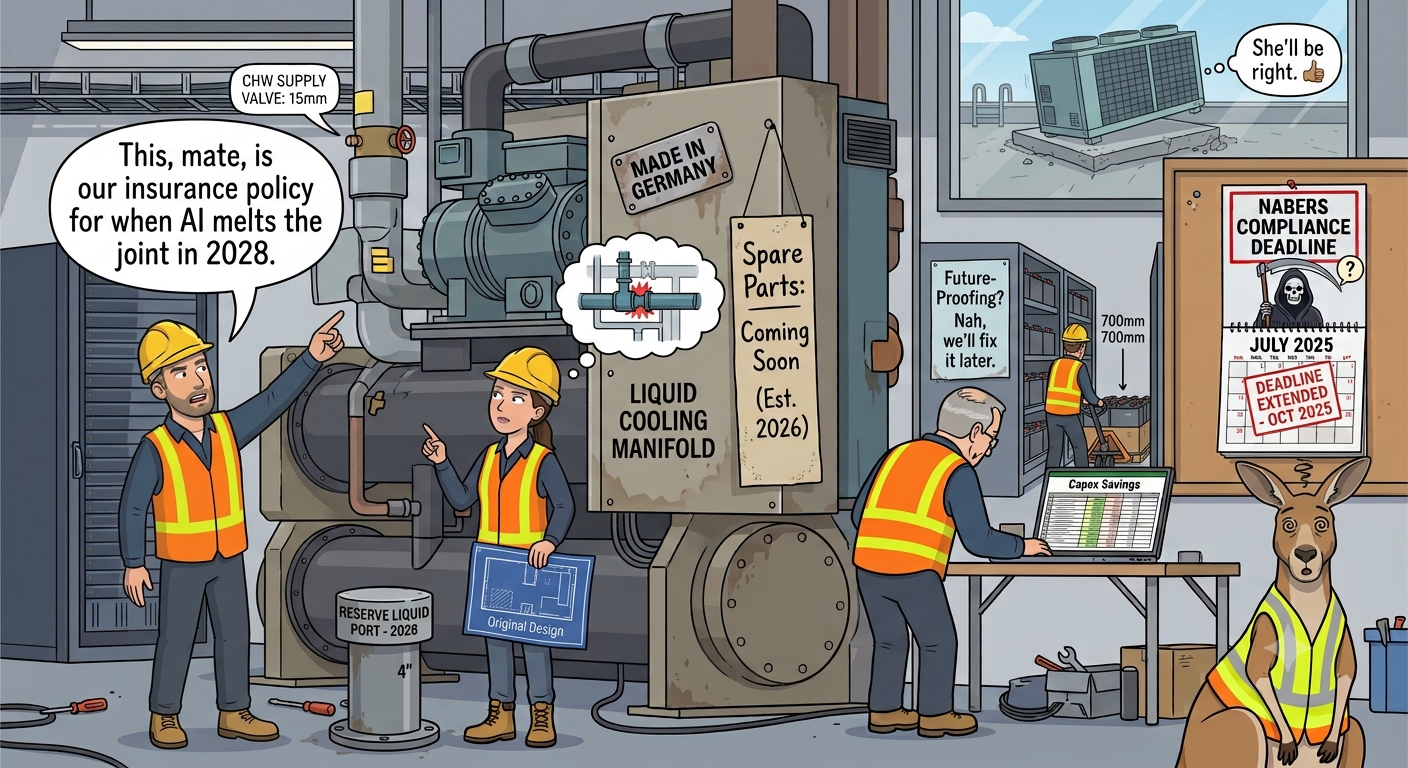
Data Centre Engineering
Part 2: Physical Layout, Thermal Futures, and Lifecycle Obsolescence
A typical construction project builds a static shell for a known purpose—but a data centre is a dynamic, living machine for an unknown future, where a 20MW IT load can double overnight, Opex eclipses Capex within years, and retrofitting is open-heart surgery on a patient that cannot be switched off. This two-part series, written from the perspective of engineers who have also managed these facilities, navigates the full lifecycle reality. Part 2 turns to the physical layer: the brutal 2N efficiency tax, maintenance-access design, stubbing out for liquid cooling, DCIM granularity, and planning for the 10-year obsolescence cliff. Because a facility that looks perfect on a PDF but costs a fortune to run - or forces your team into risky manual workarounds - isn't a success.
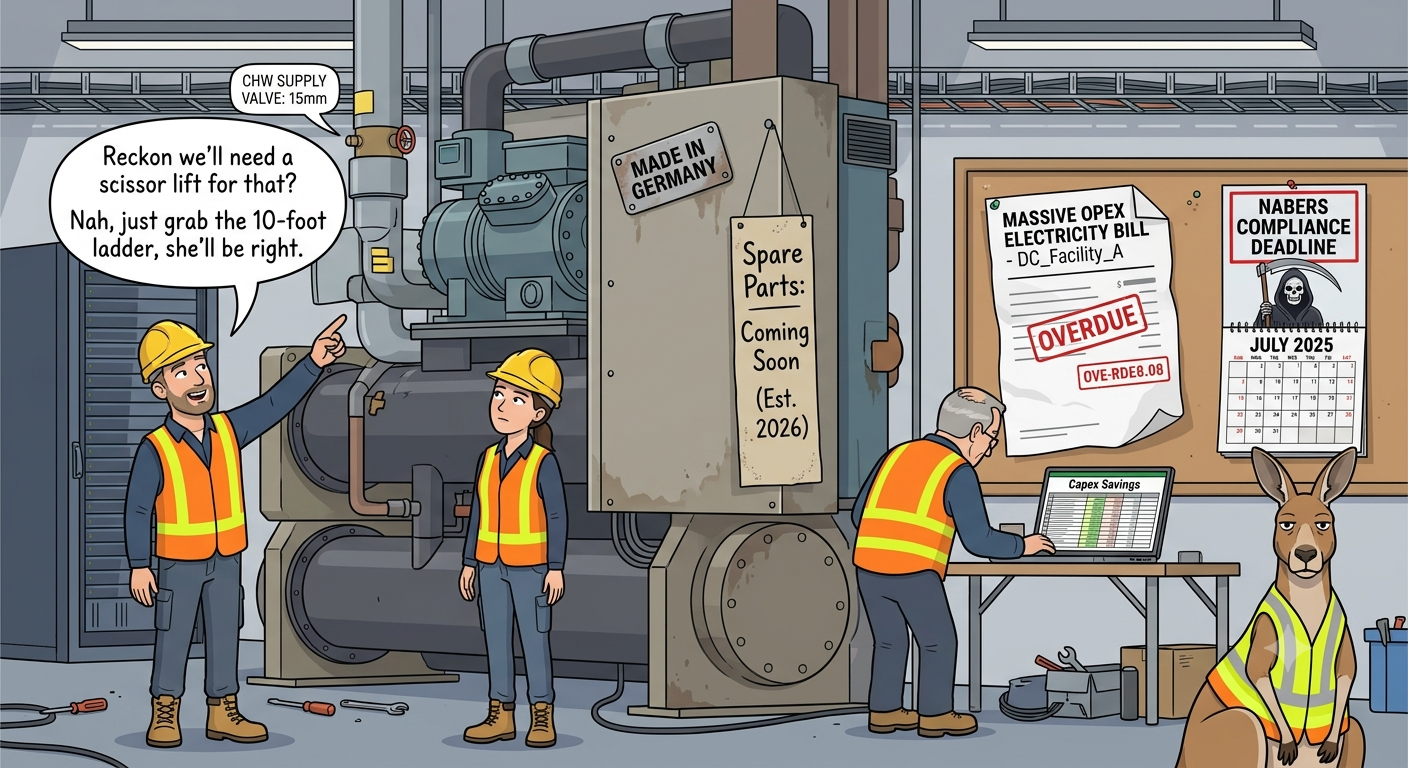
Data Centre Engineering
Part 1: Financial, Human, and Supply Chain Realities
A typical construction project builds a static shell for a known purpose—but a data centre is a dynamic, living machine for an unknown future, where a 20MW IT load can double overnight, Opex eclipses Capex within years, and retrofitting is open-heart surgery on a patient that cannot be switched off. This two-part series, written from the perspective of engineers who have also managed these facilities, navigates the full lifecycle reality. Part 1 tackles the financial and human equation - the part-load efficiency trap, the counter-intuitive operational danger of Tier III, staffing costs, and the supply-chain risks of imported gear.
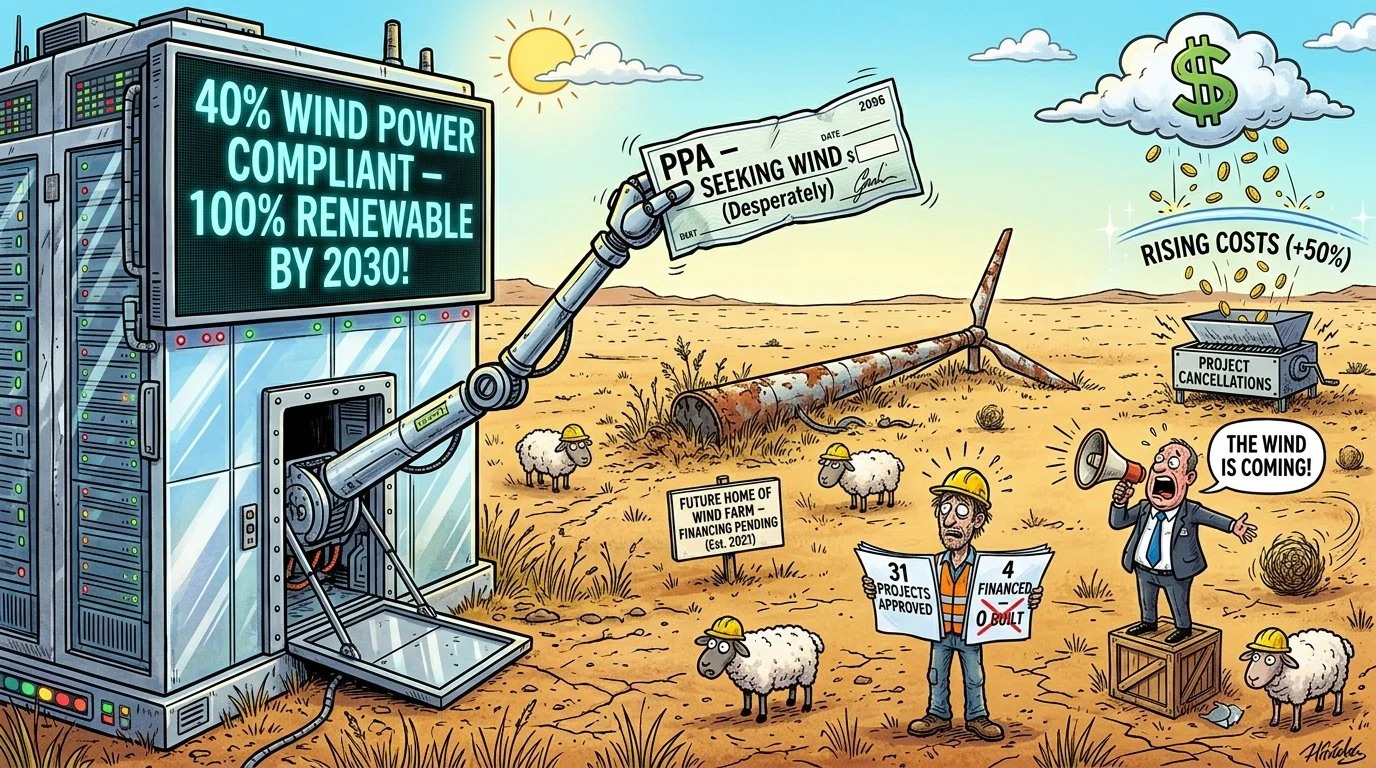
The Wind Farm "Drought": The Elephant in the Room for NSW's 40% Mandate
NSW wants data centres to run on 40% wind power. There's just one problem: Australia is in the grip of a wind farm "drought." Of 31 federally-backed wind projects, only 4 have secured financing. Construction costs are up 50%. And NSW has just one wind farm under construction. If new wind can't get built, the mandate is dead on arrival.
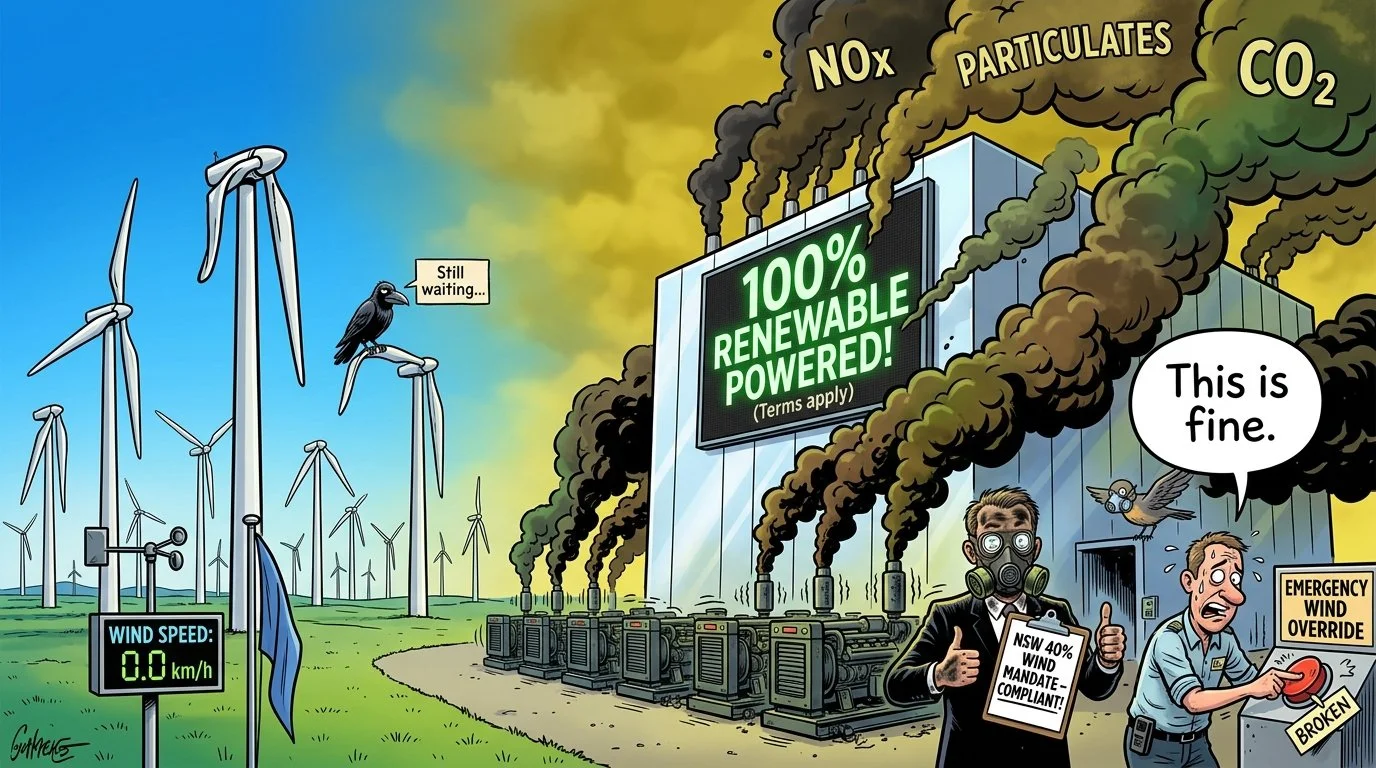
Powering the Cloud: Can NSW's 40% Wind Mandate for Data Centres Actually Work?
NSW's new guidelines require data centres to source 40% of their power from wind and hit 100% renewables within four years to access a fast-tracked approval pathway. But the irony is stark: when the wind doesn't blow, diesel generators - tightly regulated but still permitted - keep the servers running, spewing pollutants while turbines stand idle. And whether data centres pay billions to transmit wind power from regional farms to Sydney or build regionally where the grid has capacity, the cost ultimately lands on someone's bill. The policy is ambitious - but the practical reality is far messier than the paperwork suggests.
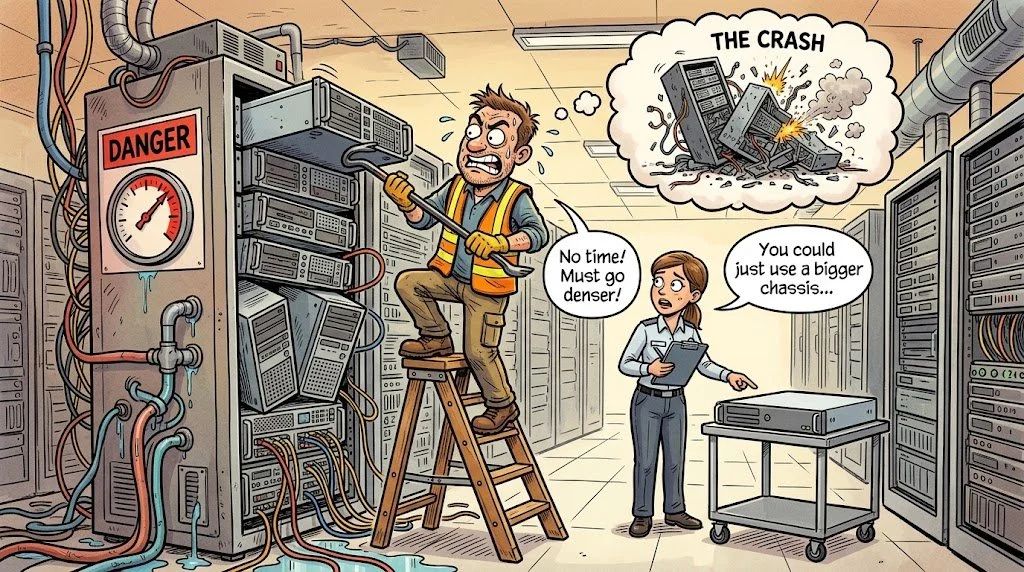
Higher Density Isn't Always Better!
Chasing higher rack density isn't always the smart move. The Uptime Institute 2026 survey reveals that pushing beyond 20–25 kW per rack delivers diminishing capital cost savings - the specialised power and cooling gear required at extreme densities actually commands a cost premium.
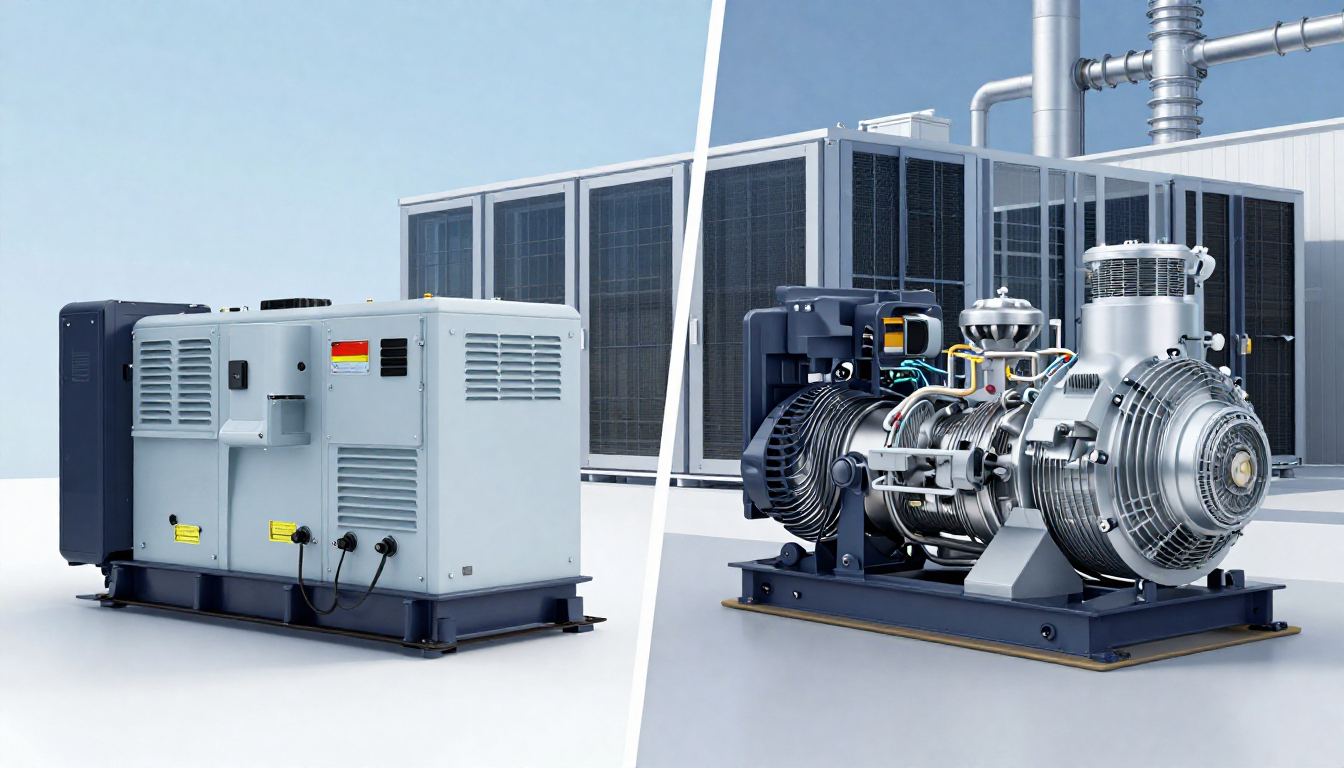
Gas Turbine vs. Diesel Generator for Australian Data Centres: A Technical Analysis
The choice between diesel generators and gas turbines for Australian data centres is a decision with significant financial and operational consequences. Diesel delivers proven reliability, rapid start-up, and a mature local service ecosystem at a lower initial cost. Gas turbines offer lower fuel costs, reduced emissions, and cooling integration but demand higher capital investment, longer lead times, and specialised maintenance capabilities. As AI workloads and sustainability targets reshape the industry, understanding this trade-off in technical depth has never been more critical.
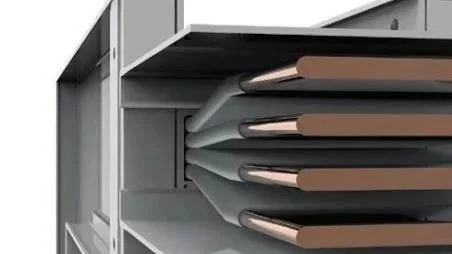
Busducts: Engineering Deep Dive - Types, Features, and Selection Criteria
The engineering selection of busducts comes down to six critical decisions: type (cast resin preferred for space and protection, sandwich for cost, air-insulated only where space is unconstrained); phase segregation (mandatory for mission-critical safety and fault containment); joint design (clamped/spring-loaded over bolted for reliability, with expansion joints every 30–50 metres); 200% neutral (essential when harmonic content exceeds 33%); tap-off boxes (plug-in/hot-swappable for dynamic environments, bolt-on for fixed high-current loads); and conductor material (copper for space-constrained, maximum reliability; aluminium for weight, cost, and sustainability, with proper bi-metal contacts).
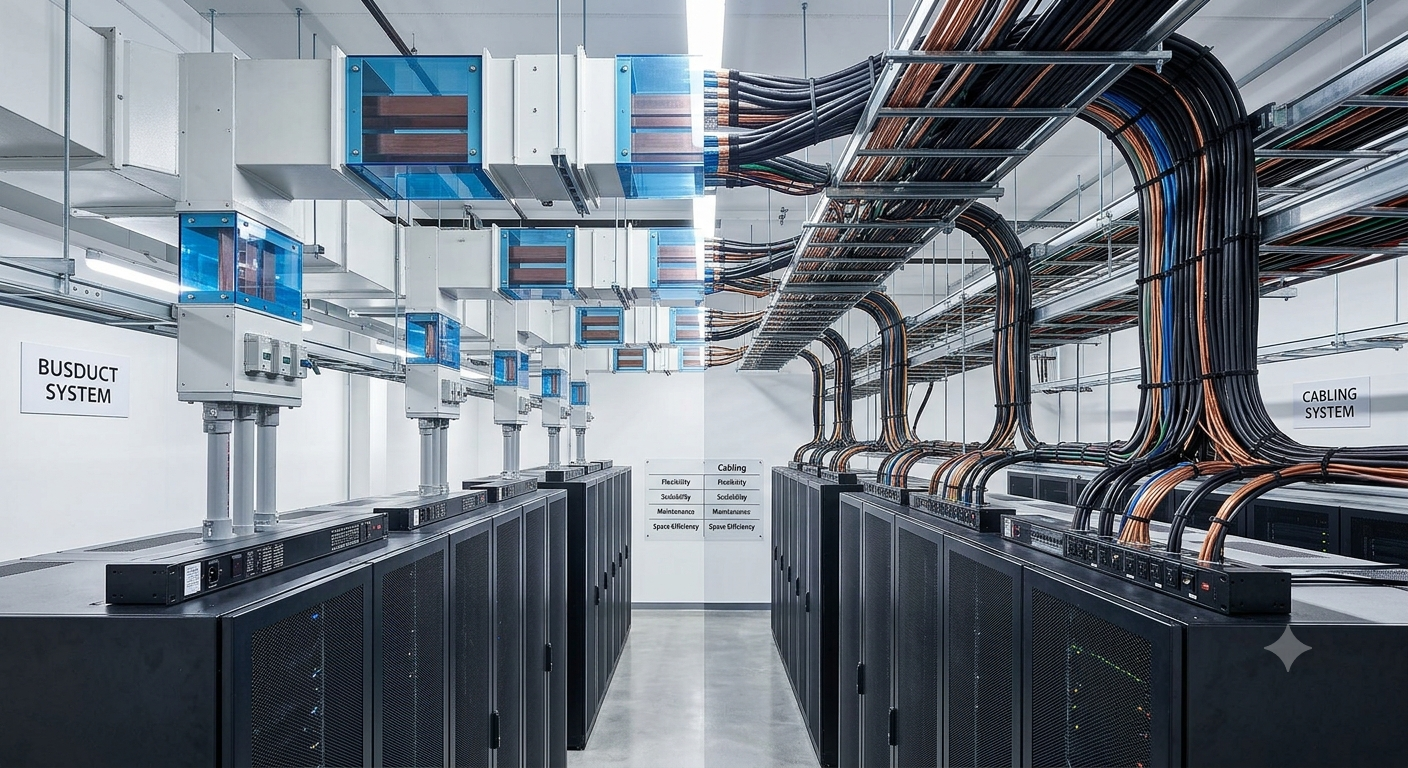
The Strategic Decision – Busducts vs. Cabling in Modern Data Centres
Above 600A, busducts deliver 15-30% lower TCO than cabling, install 90% faster, save 3-4 weeks of project time, free underfloor space for cooling, and enable no-downtime reconfiguration via hot-swappable tap-offs - all while offering superior fire safety. For high-density, future-proof data centres, busducts are the default choice; cabling suits only low-amperage, static runs.
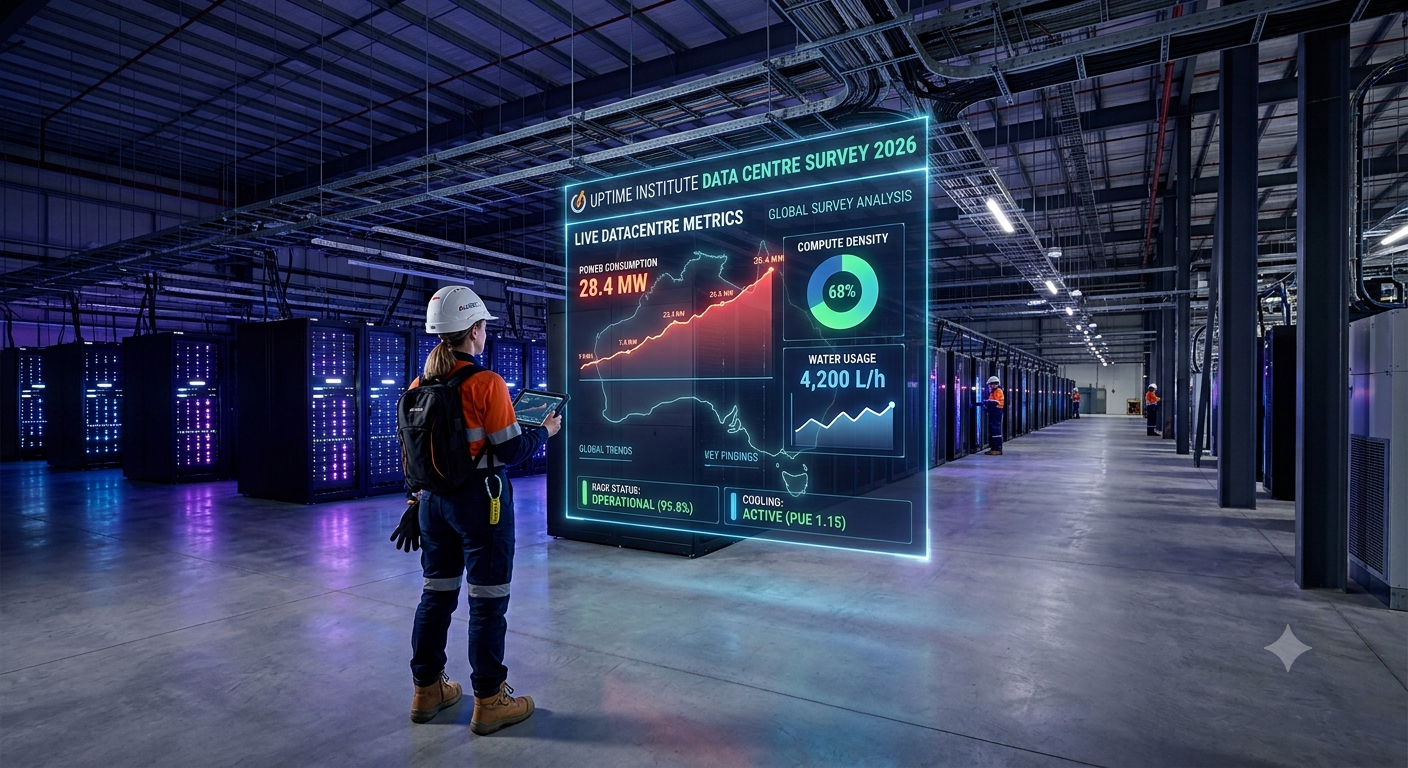
Data Centre Trends in 2026: Key Takeaways from the Uptime Institute Global Survey
The 2026 Uptime Institute survey paints a stark picture: rack densities are climbing, power costs are soaring, staff shortages are worsening, and sustainability pressure is mounting - all while Australian data centre capacity is set to double by 2030. With third‑party facilities now hosting more IT than corporate data centres and AI workloads driving unprecedented change, the pressure on local operators has never been greater. As we highlighted in our 2025 analysis, these challenges haven't eased - they've intensified.
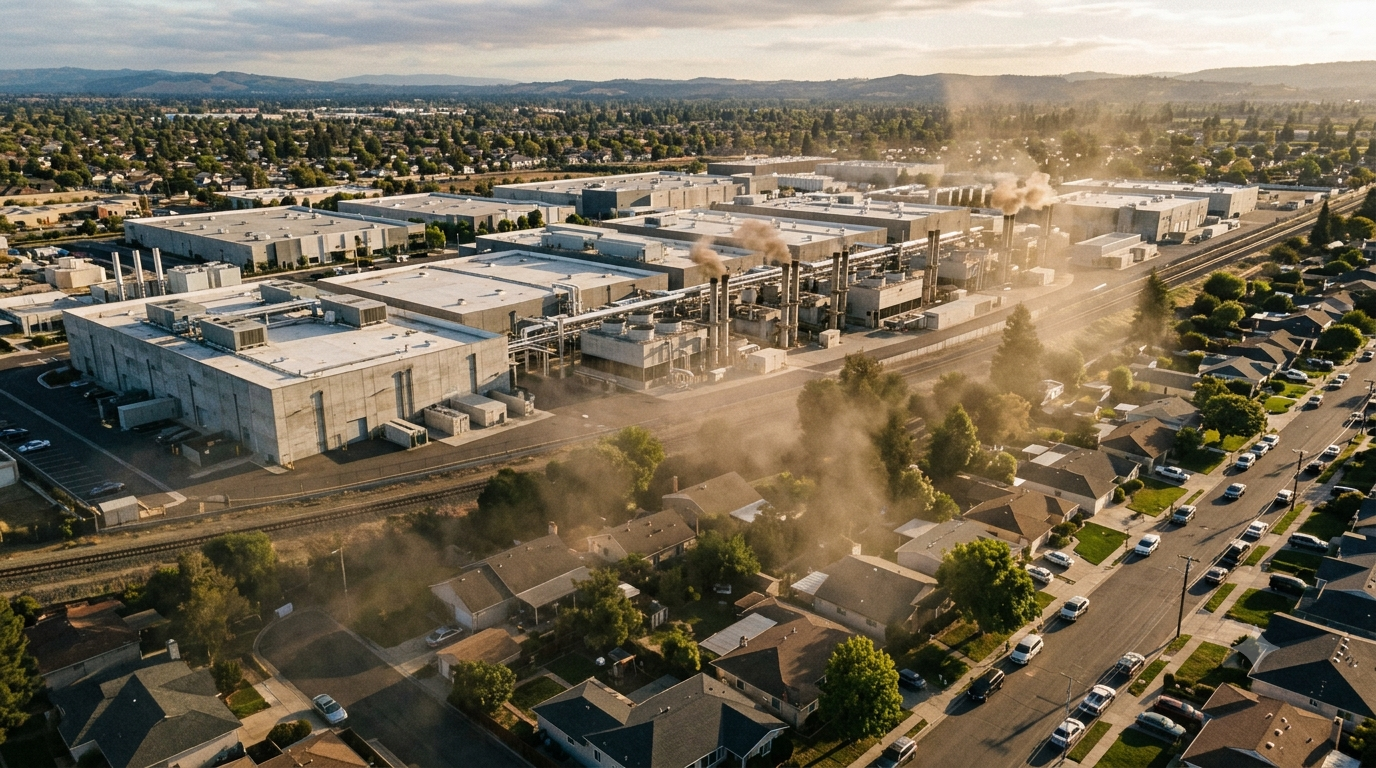
The Hidden Cost of Australia's AI Boom: Why Our Data Centres Are a Public Health Time Bomb
AI's rapid growth brings not only opportunities but also public health risks that are increasingly borne by individual communities, especially those with disadvantaged populations. From the siting of data centres to the sourcing of electricity and the scheduling of AI workloads, the design choices made today will determine whether AI exacerbates or alleviates health burdens.
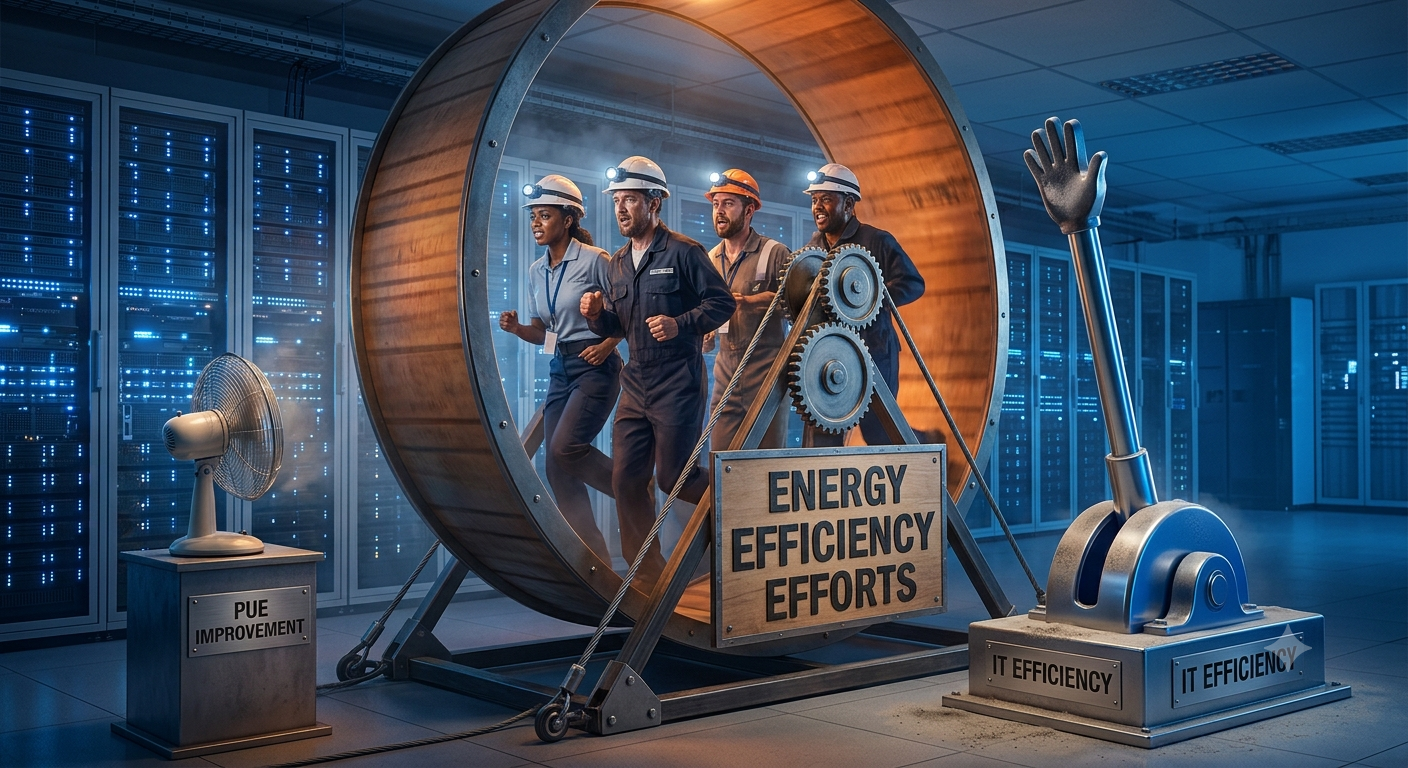
Why data centre energy efficiency is stuck - and how to fix it
Most data centre operators focus their efficiency efforts on the facility side - cooling systems, airflow management, power distribution - because that's where PUE lives and what regulators measure. But the facility side is no longer where the biggest gains are. As data centres become more efficient, IT equipment consumes the vast majority of energy, yet most sustainability programs still pour time and money into shaving fractions off PUE while ignoring the real energy hog: underutilised IT gear. Run your IT more efficiently, and you cut total energy consumption dramatically - far more than any facility-side tweak could ever deliver. And IT efficiency doesn't stop at energy savings; you also get less heat, lower cooling load, less floor space, and reduced water use. PUE improvements alone don't deliver any of these extras. The bottom line: if you're serious about cutting costs and emissions, you can't afford to treat IT efficiency as someone else's problem. The biggest lever is already sitting in your racks - it's time to pull it.
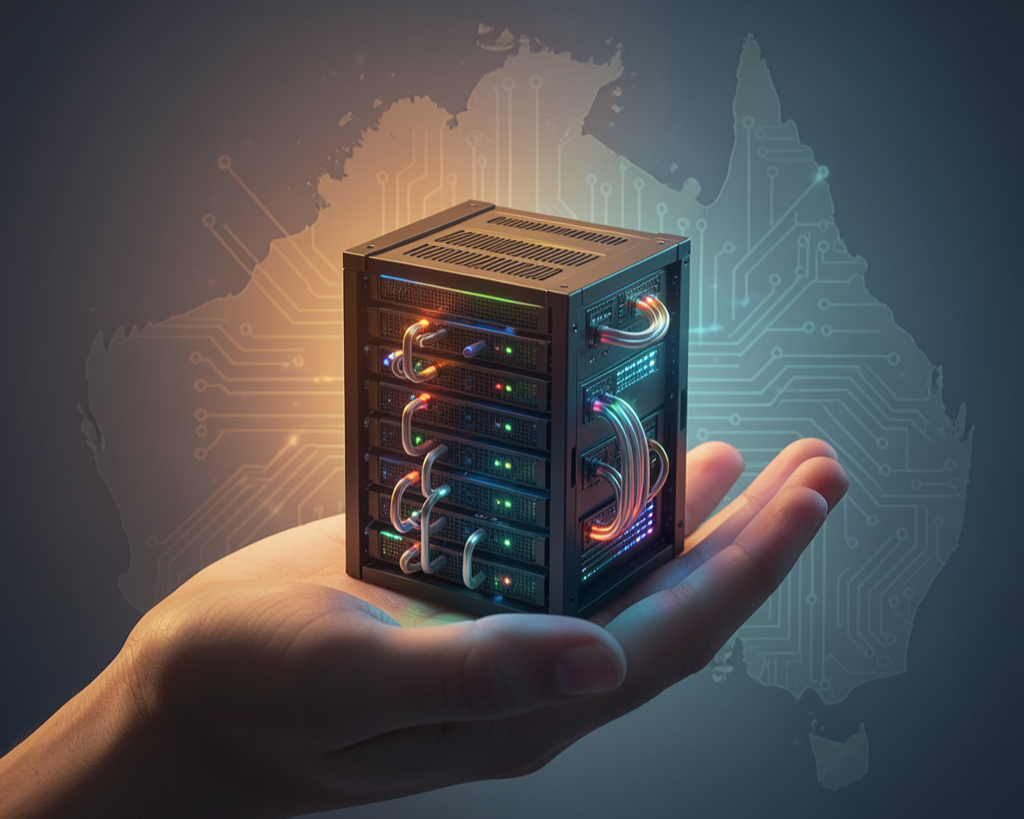
On-premise AI inference is on the rise. Can Australian enterprises make it work?
Australian enterprises want to run AI inference on-premise - but the infrastructure must deliver. According to Uptime Institute, the key is sustained hardware utilisation above 65%, yet most organisations fall short. Model choice, cooling demands, and data sovereignty add further complexity.
The good news? Smaller inference models can run in existing facilities with minimal upgrades. For those ready to scale, modular solutions - from compact edge units to full-scale prefabricated data centres - offer a clear path forward, including locally manufactured options with flexible equipment choices and comprehensive service support.
On-premise AI isn't just possible - it's a strategic advantage.
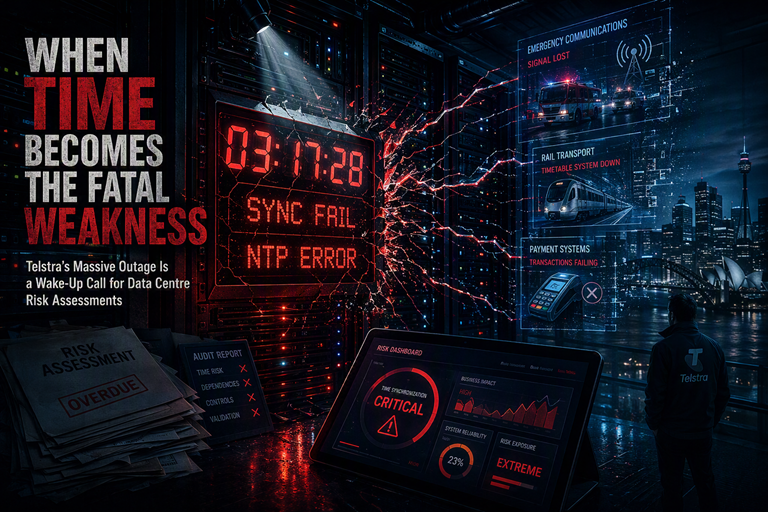
When Time Becomes the Fatal Weakness: Telstra’s Massive Outage Is a Wake‑Up Call for Data Centre Risk Assessments
When Telstra’s mobile network collapsed at 4:30 AM on 8 July, it wasn’t just a telecoms glitch. Over 600 Triple Zero calls failed. Trains stopped. Payments froze. The culprit? A software defect that broke clock synchronisation – a vulnerability that Australian experts had warned about for years.
That same week, Uptime Institute revealed that only 39% of data centre operators assess third‑party systemic risks – and the share conducting any resilience risk assessments has fallen from 89% to 81% in just two years. Telstra is a brutal reminder: the risk assessment you skip today is the emergency call that fails tomorrow.