
Operations & Management Strategy: Keeping AI Facilities Reliable, Safe, and Efficient
Uptime Institute’s AI Infrastructure Advisory
Part 5: Operations & Management Strategy
A GPU can burn out in 30 seconds if coolant flow stops – that is the reality of operating an AI data center. Uptime Institute’s Part 5 covers staffing (experienced leaders are non‑negotiable), clear demarcation between IT and facilities for liquid cooling, safety in high‑current and medium‑voltage environments, shorter GPU lifecycles (three years vs. ten for CPUs), and the SOP/MOP/EOP documentation needed to run safely and reliably. Operations is not an afterthought - it is where value is made or lost.
Level 4 & 5 Commissioning: Testing AI Facilities for Real-World Workloads
Uptime Institute’s AI Infrastructure Advisory
Part 4: Level 4 & 5 Commissioning
Standard load banks are just heaters – they cannot simulate the volatile power draw and heat output of real GPU workloads. In Part 4, Uptime Institute explains why AI facilities require specialised load banks, DLC‑specific fluid cleanliness and pressure testing, continuous cooling validation, and third‑party witnessed Level 5 integrated system testing. Commissioning is not complete until your facility can survive sub‑second cooling failures.
Construction Oversight & Validation: Preventing Design‑to‑Build Drift in AI Facilities
Uptime Institute’s AI Infrastructure Advisory
Part 3: Construction Oversight & Validation
Fast AI builds are prone to design‑to‑build drift – small deviations that become costly remediation if caught late. Uptime Institute’s Part 3 details the physical demands of AI facilities: floor loading >2,000 kg per rack, multi‑story low‑latency designs, hybrid liquid/air cooling installation, and phased construction. Learn why independent milestone inspections are essential to protect your investment and schedule.
Technical Vendor Requirements & Evaluation: Selecting Cooling and Power Systems for AI
Uptime Institute’s AI Infrastructure Advisory
Part 2: Technical Vendor Requirements & Evaluation
Choosing the wrong cooling or power technology can lock you into obsolete infrastructure for years. In Part 2, Uptime Institute compares direct‑to‑chip (DLC) vs. immersion cooling, explains why GPU power fluctuations demand high‑di/dt UPS systems, and provides a structured vendor evaluation framework – including RFP templates, weighted criteria, and the importance of delivery penalties. Maintain owner control while benefiting from independent, vendor‑neutral guidance.
Design Development & Review: Technical Considerations for High-Density AI Facilities
Uptime Institute’s AI Infrastructure Advisory
Part 1: Design Development & Review
Conventional data centers run at 5–15 kW per rack; AI training clusters routinely hit 40–130 kW. According to Uptime Institute, this density forces a complete rethink of cooling, power, and physical space. Part 1 covers direct liquid cooling (DLC), continuous cooling requirements, two reference resiliency topologies (concurrently maintainable and fault tolerant), and the structural must‑haves – from 2,000+ kg racks to taller ceilings and expanded gray space.
From Design to Operations: A Complete Guide to AI Data Centre Infrastructure
Uptime Institute’s Guide to AI Data Center Infrastructure – A Five‑Stage Framework
AI data centers are not scaled‑up traditional facilities. Based on Uptime Institute’s five‑part advisory series, this condensed guide walks you through the entire infrastructure lifecycle: design, vendor selection, construction, commissioning, and operations. Learn why rack densities of 130 kW demand direct liquid cooling, why continuous cooling is non‑negotiable, and how to prevent design‑to‑build drift before it costs millions.
AI Workloads Are Rewriting the Rules of Data Centre Design
AI is forcing a fundamental redesign of data centre infrastructure
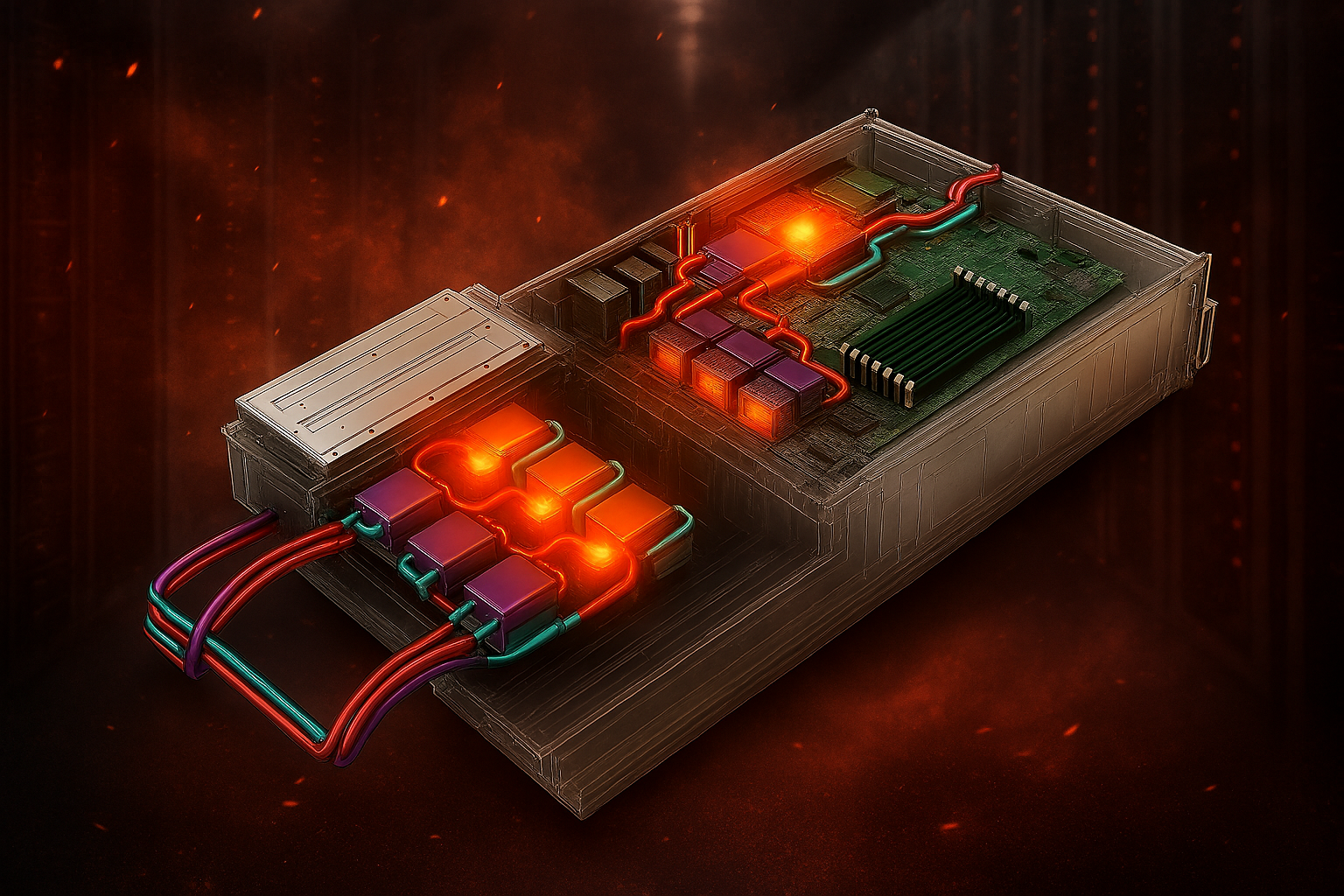
Rack power densities now exceed 100 kW and are still climbing. Liquid cooling is no longer optional. Grid connection timelines stretch to five years. In Australia, built‑out data centre capacity is set to double by 2030, with billions in new investment already underway – yet water scarcity and grid constraints pose serious risks.
The six AI attributes reshaping power, cooling and racks demand a strategic response. Organisations that act now – assessing electrical capacity, adopting liquid‑ready designs, and deploying digital twins – will secure a competitive advantage.
Is Your Data Centre Facility Ready for the AI Revolution?
Is Your Data Centre Facility Ready for the AI Revolution?
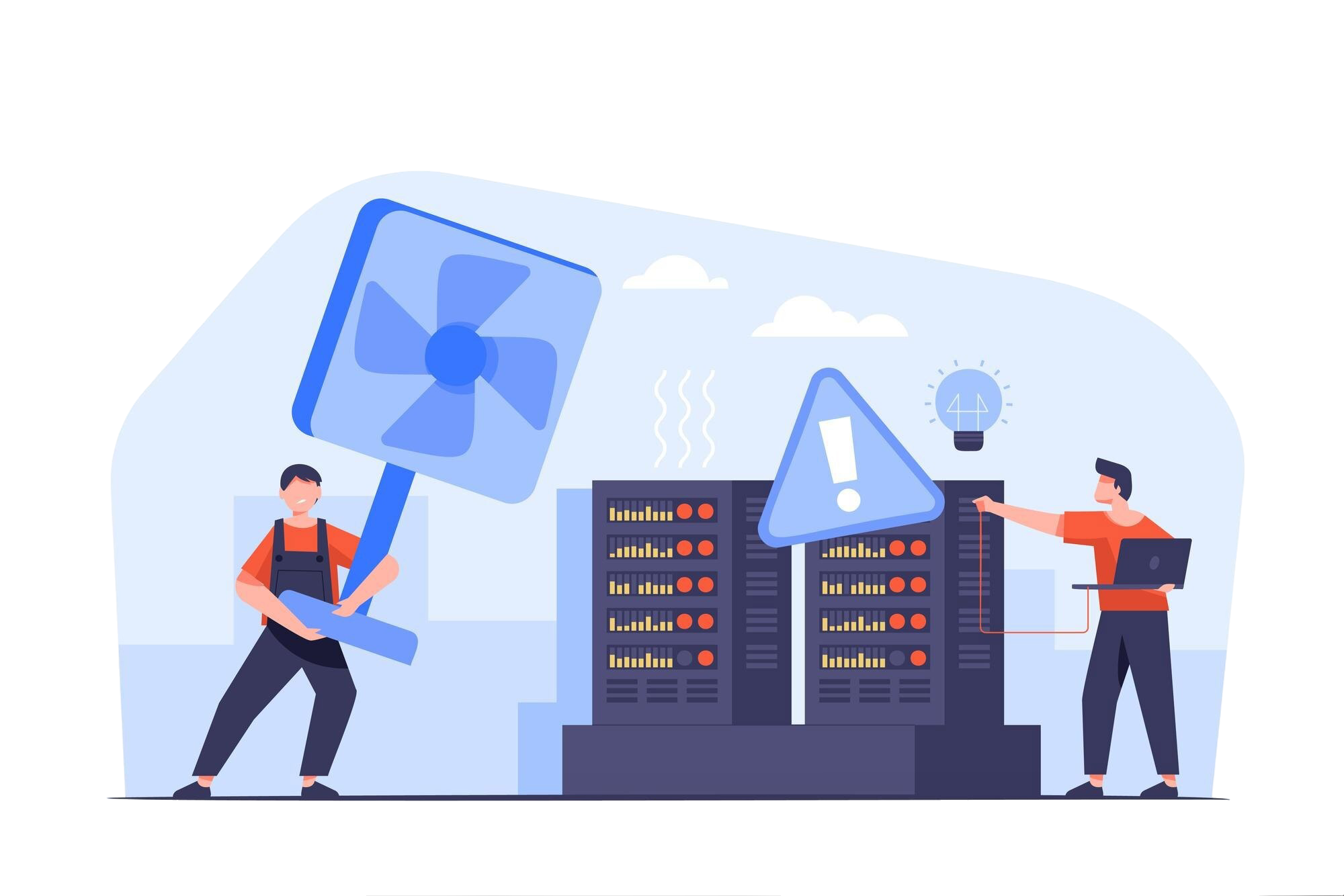
AI workloads are reshaping data center infrastructure—demanding higher power densities, advanced liquid cooling, and faster scalability. The latest Vertiv white paper confirms that traditional facilities must evolve to meet these challenges. As a trusted Vertiv partner, Ecanet delivers end-to-end engineering solutions across Australia and the APAC region, helping colocation providers transition to AI-ready power systems, hybrid cooling, and modular prefabricated designs. From concept to commissioning, we ensure your infrastructure is built to perform, scale, and last.
Taming the AI Power Spike: New UPS Controls for High-Performance Computing
Achieving power stability in the AI era requires a shift in strategy. By implementing features like Battery Shield to prevent unnecessary micro-cycling, and Input Power Smoothing to buffer upstream infrastructure, data centers can protect backup reserves, extend equipment life, and maintain harmony with the grid - proving that intelligent software controls are just as critical as hardware capacity.
Why You Need to Master pPUE and WUE
Power Usage Effectiveness (PUE) may be the gold standard but true industry leadership requires looking beyond a single metric.
How Distributed Batteries Amplify Critical Power Resilience
A distributed battery architecture decentralises energy storage, aligning perfectly with modular UPS design. This synergy is a game-changer for resilience.
Beyond Uptime: Engineering Resilience for the Long Haul
Apply the conditions that equipment will face in real-world scenarios for longevity and resilience to minimize weaknesses of products, services, and applications that can lead to premature failures.