
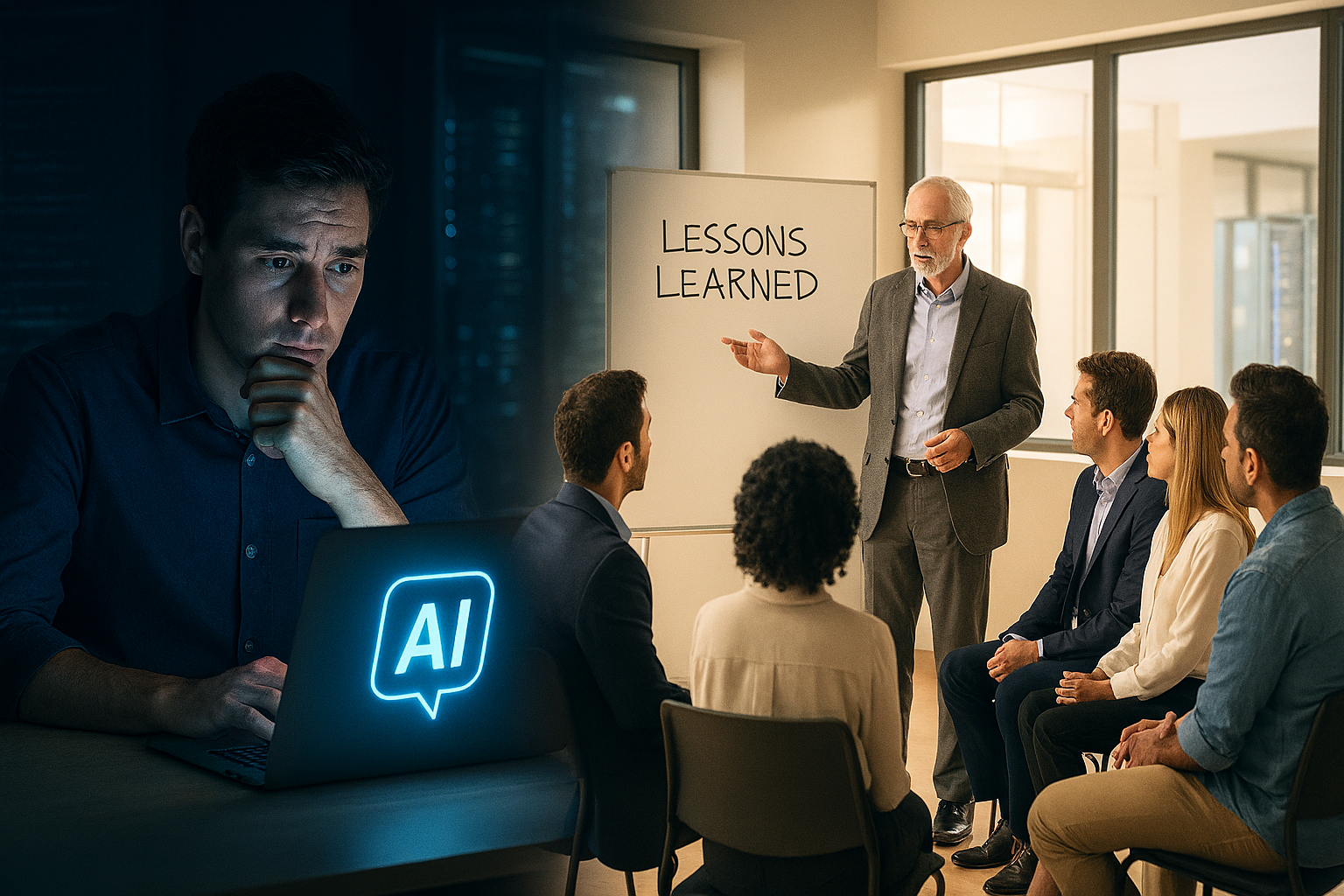
Why AI Won’t Make You an Expert - And What Actually Will
Why AI Won’t Make You an Expert—And What Will
Generative AI can help your team work faster, but it can’t turn novices into true experts. Recent research shows that while AI accelerates competence, it does not close the performance gap between beginners and seasoned professionals. Tacit knowledge - the kind gained through experience, mentorship, and real‑world lessons - remains beyond AI’s reach.
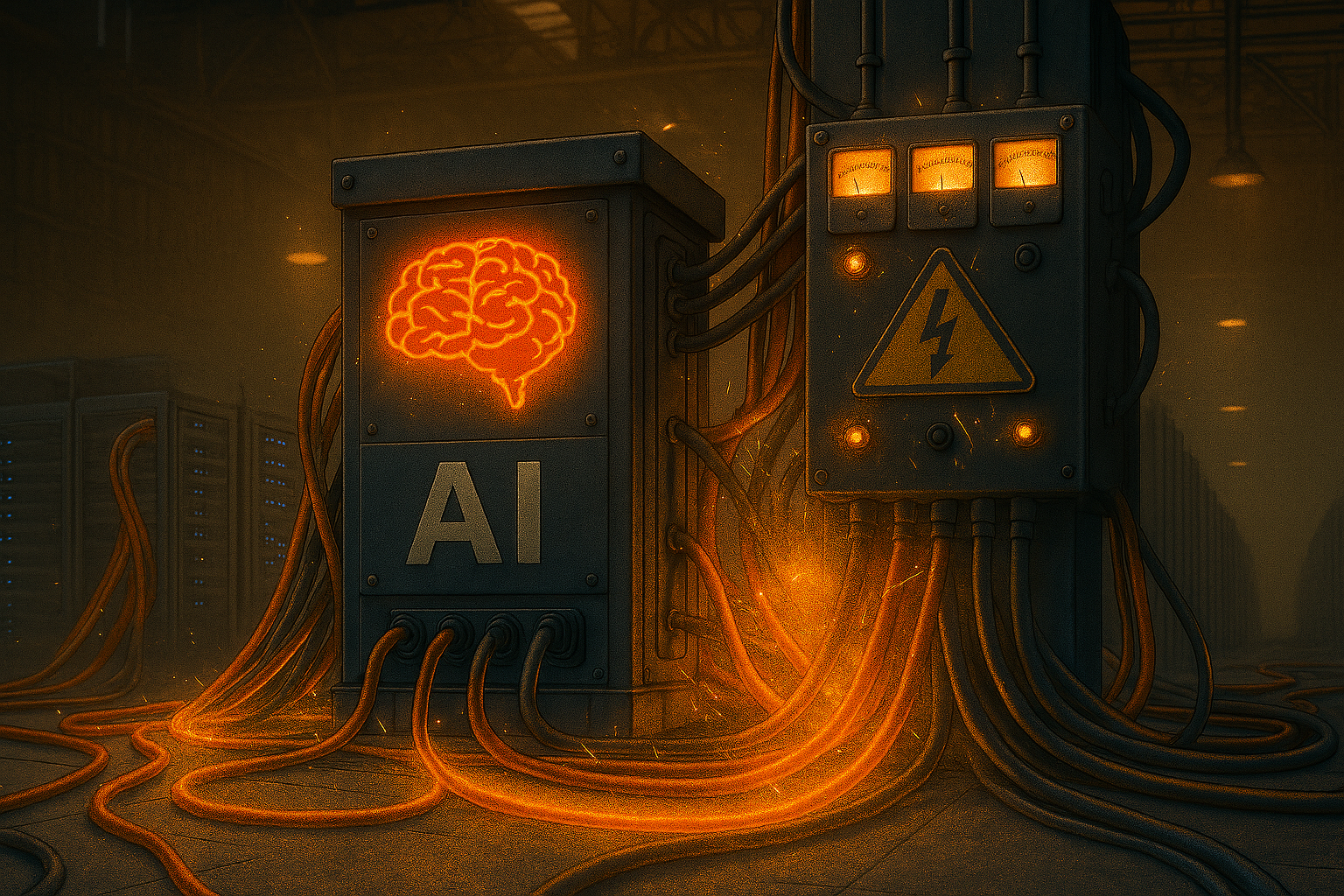
AI Training Boom: Is Your Data Centre Ready for the New Rules?
The New Rules of AI Data Centre Engineering
The race to build AI factories isn’t just a technological challenge - it’s redefining the physical limits of our data centres. A new Uptime Institute survey shows average rack density for AI training hardware has hit 56 kW, with the share of sites exceeding 100 kW more than doubling in just one year.
At the same time, the Australian Government has published five formal expectations for AI infrastructure - from underwriting renewable energy to using water‑efficient cooling. Projects that align will be prioritised; those that don’t will face significant headwinds.
For organisations building or upgrading AI infrastructure, the message is clear: business as usual is no longer an option. Specialised engineering is the difference between delay and delivery.
Why Operations Can’t Be an Afterthought: The 20-Year Lesson from 2014
The 20‑Year Payoff: Why Operations Must Lead from Day One
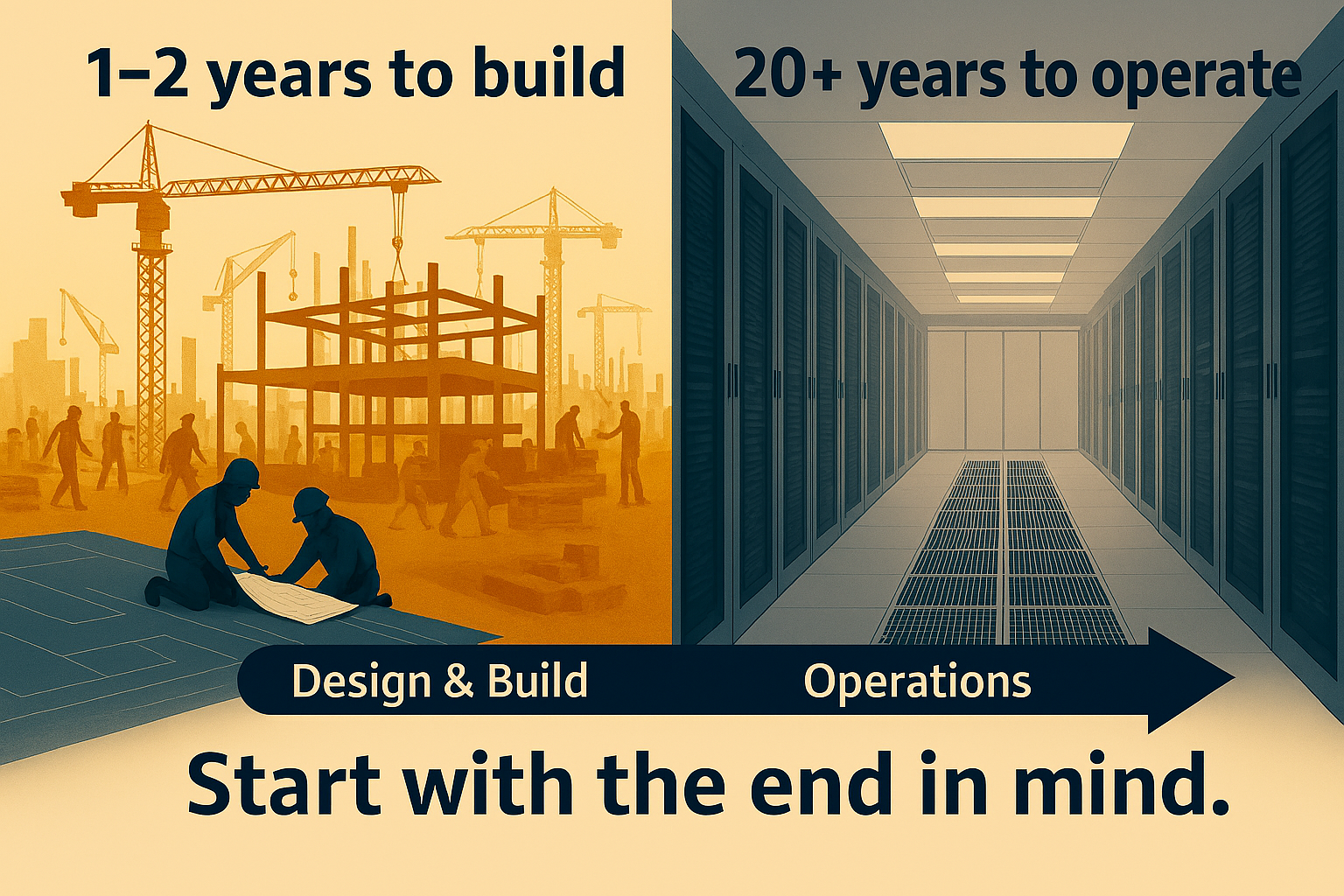
A 2014 Uptime Institute article, “Best Practice Is to Start With the End in Mind,” made a deceptively simple argument: involve data centre operations at the very beginning of any capital project. More than a decade later, that advice is more urgent than ever.
Why? Because a data centre’s design and construction typically take 1‑2 years, but its operational life spans 20+ years. Yet operations is still often treated as an afterthought—brought in only after commissioning, when the biggest opportunities to shape maintainability, efficiency, and total cost of ownership have already passed.
As the article’s author, Lee Kirby, noted: if value engineering happens without operations input, “increased costs over the life of the data center may dwarf any initial savings.” In other words, value is extracted from a data centre by operations, not by the original build.
The solution is to embed operations expertise from day one—and to equip teams with the right frameworks. Turn a decade‑old insight into a 20‑year advantage.
Is Your Data Centre Facility Ready for the AI Revolution?
Is Your Data Centre Facility Ready for the AI Revolution?
AI workloads are reshaping data center infrastructure—demanding higher power densities, advanced liquid cooling, and faster scalability. The latest Vertiv white paper confirms that traditional facilities must evolve to meet these challenges. As a trusted Vertiv partner, Ecanet delivers end-to-end engineering solutions across Australia and the APAC region, helping colocation providers transition to AI-ready power systems, hybrid cooling, and modular prefabricated designs. From concept to commissioning, we ensure your infrastructure is built to perform, scale, and last.
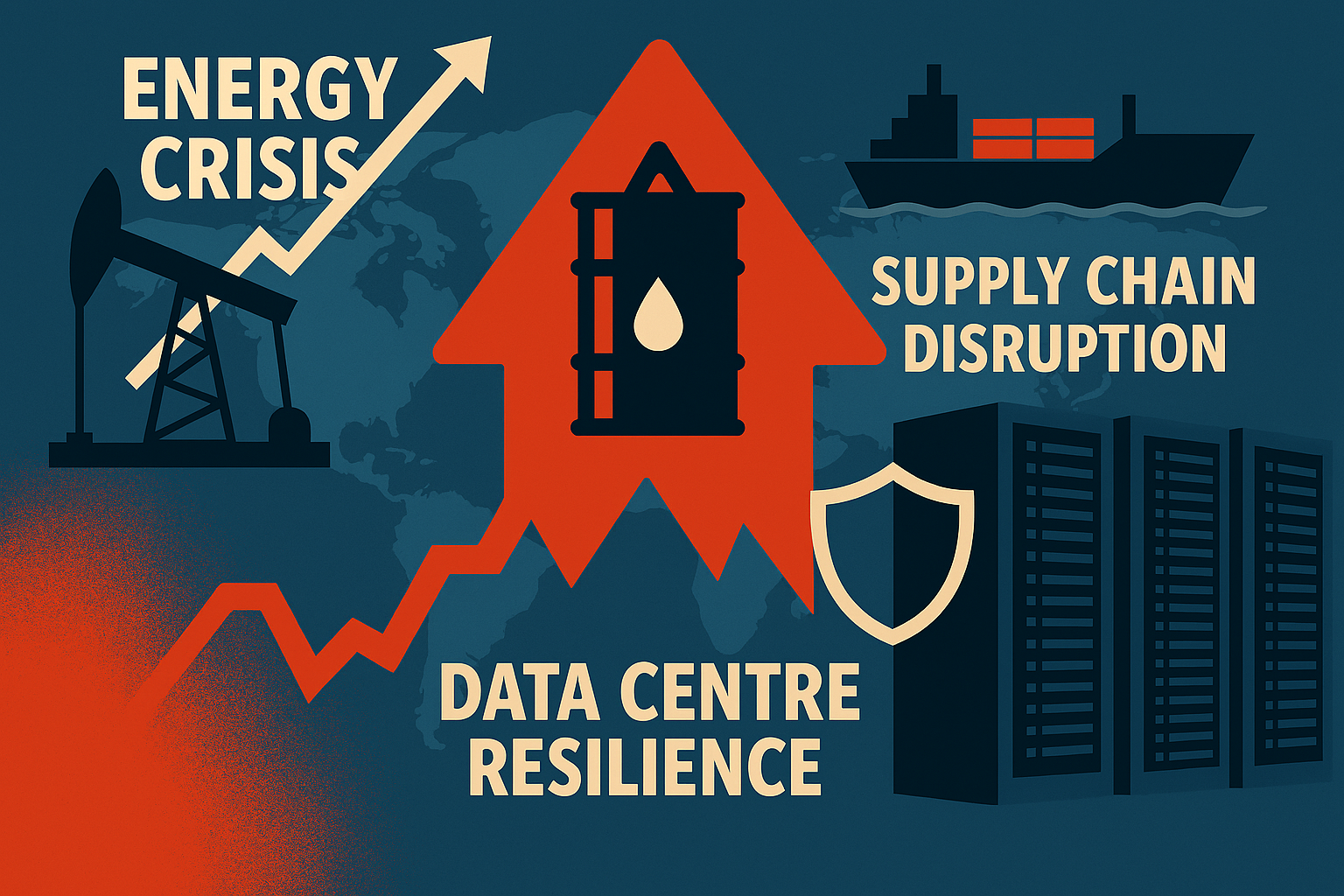
Beyond the Headlines: Why the Iran War Makes Operational Sustainability a Strategic Imperative
Energy Crisis & Operational Sustainability: Why the Iran War Changes the Game
Global energy markets are volatile, and the recent Iran‑related conflict has pushed price stability and supply security to the forefront for Australian critical infrastructure operators. In this environment, relying on carbon offsets alone is not enough—resilience starts with facility and IT efficiency.
As the Uptime Institute’s 2025 article The Two Sides of a Sustainability Strategy makes clear, operators must prioritise operational fundamentals: optimising PUE, reducing water and energy use, and building fuel flexibility. These measures directly insulate facilities from energy shocks, while ecosystem initiatives alone do not.
To build this capability, skilled teams and disciplined processes are essential. The Uptime Institute’s 2014 Operational Sustainability framework provides the proven blueprint.