
AI Training Boom: Is Your Data Centre Ready for the New Rules?
The race to build AI factories isn’t just a technological challenge – it’s redefining the physical limits of our data centres. A new survey from Uptime Institute reveals that the infrastructure powering AI is evolving faster than many expected. And for Australian operators, there’s a new layer of complexity: formal government expectations that will determine which projects get prioritised - and which get left behind.
So, is your facility ready? And more importantly, what are you going to do about it?
Key Survey Takeaways: AI Training on the Rise
Uptime Institute’s 2026 AI Infrastructure Survey (April 2026) found that 38% of data centre owner/operators now perform AI training - an increase of eight percentage points from 2025. Another 43% have plans to do so.
The real headline is rack density: the average for AI training hardware now stands at 56 kW per rack. Even more striking, the percentage of respondents averaging over 100 kW has more than doubled - rising from 9% to 20% in just one year.
For organisations using the cloud for AI training, the top reasons are performance (50%) and privacy/security (39%).
New Australian Government Expectations for AI Infrastructure
Just weeks before the Uptime survey release, the Australian Government published its formal "Expectations of data centres and AI infrastructure developers" on 23 March 2026. These five national expectations are not new laws, but they act as a powerful policy filter: proposals that align will be prioritised in federal regulatory assessments; those that don’t will face significant headwinds.
The five pillars are:
Prioritise Australia's national interest - protect national security and data sovereignty, operate transparently, and maintain a strong social licence.
Support Australia's energy transition - underwrite new renewable generation, pay full grid connection costs, and help stabilise the grid through demand flexibility.
Use water sustainably and efficiently - adopt water‑efficient cooling, prioritise non‑potable water, and engage early with water utilities and local communities.
Invest in Australian skills and jobs - create fair, secure jobs and invest in training, apprenticeships and workforce development.
Strengthen research, innovation and local capability - make compute capacity available to Australian startups and researchers, and deploy engineers locally to build domestic expertise.
These expectations sit under the National AI Plan (December 2025), which aims to "capture the economic opportunities of AI, share the benefits broadly, and keep Australians safe".
Latest AI Industry Developments You Need to Know
The AI factory era has arrived. At CES 2026, NVIDIA unveiled its Vera Rubin platform, describing data centres as “AI factories” where the unit of design is the entire facility - not just the server.
Massive global investment. Global data centre capex is projected to approach $1 trillion in 2026. Server spending is set to surge 36.9%, with total systems spending rising 31.7% to exceed $650 billion.
Grid and equipment constraints are real. About 30% to 50% of AI data centres planned for the US in 2026 may be delayed or cancelled due to electrical equipment shortages and insufficient power grids. The International Energy Agency projects global data centre power consumption could reach 1,050 TWh in 2026, largely from AI workloads.
What This Means for Your Facility - And Your Next Step
If you’re operating or planning a colocation facility - or any data centre hosting AI workloads - here’s what the numbers and new expectations mean in practical terms.
1. Cooling is no longer optional - it’s foundational.
With average rack densities at 56 kW and some clusters exceeding 100 kW, traditional air cooling cannot keep up. You’ll need to evaluate liquid cooling – direct‑to‑chip or immersion.
2. Power infrastructure must be rethought.
High‑density AI clusters require stable, high‑wattage power delivery. The new expectations also require underwriting renewable generation and paying full grid connection costs.
3. Modular approaches accelerate deployment.
Waiting 18–24 months for traditional construction is too slow. Prefabricated solutions cut timelines by months.
4. Compliance is now a competitive advantage.
Facilities that demonstrate alignment with the five pillars will be prioritised over those that don’t.
The data above makes one thing clear: the rules of data centre design have changed. Higher rack densities, tighter energy constraints, and a new Australian regulatory framework mean that “business as usual” is no longer an option. For organisations looking to build or upgrade AI infrastructure, the path forward requires specialised engineering expertise.
That’s where Ecanet Engineers comes in.
We design for today’s AI densities – and tomorrow’s
With average rack densities hitting 56 kW and over 20% of sites now exceeding 100 kW per rack, traditional air cooling is obsolete. Ecanet Engineers designs and delivers advanced liquid cooling solutions - including direct‑to‑chip and immersion cooling - that handle high-density AI workloads reliably and efficiently. Our systems reduce cooling energy use by up to 60%, directly supporting your sustainability targets and the government’s water‑efficiency expectations.
We help you meet Australia’s new national expectations - not just comply, but lead
The five pillars from the March 2026 government expectations are now a de facto standard for project prioritisation. Ecanet Engineers builds compliance into every design:
Energy transition - We integrate on‑site renewables, battery storage, and demand‑flexibility controls so you can underwrite new renewable generation and stabilise the grid.
Water sustainability - Design for closed‑loop and non‑potable water cooling systems to minimise fresh water use, and we handle early engagement with local water utilities.
National interest & data sovereignty - We design verifiable physical and logical security zones for sensitive AI workloads, ensuring transparent and secure operations.
Local capability - As an Australian firm, we invest in local engineers, apprentices, and supply chains - helping you tick the “skills and jobs” box automatically.
We accelerate deployment with modular prefabricated solutions
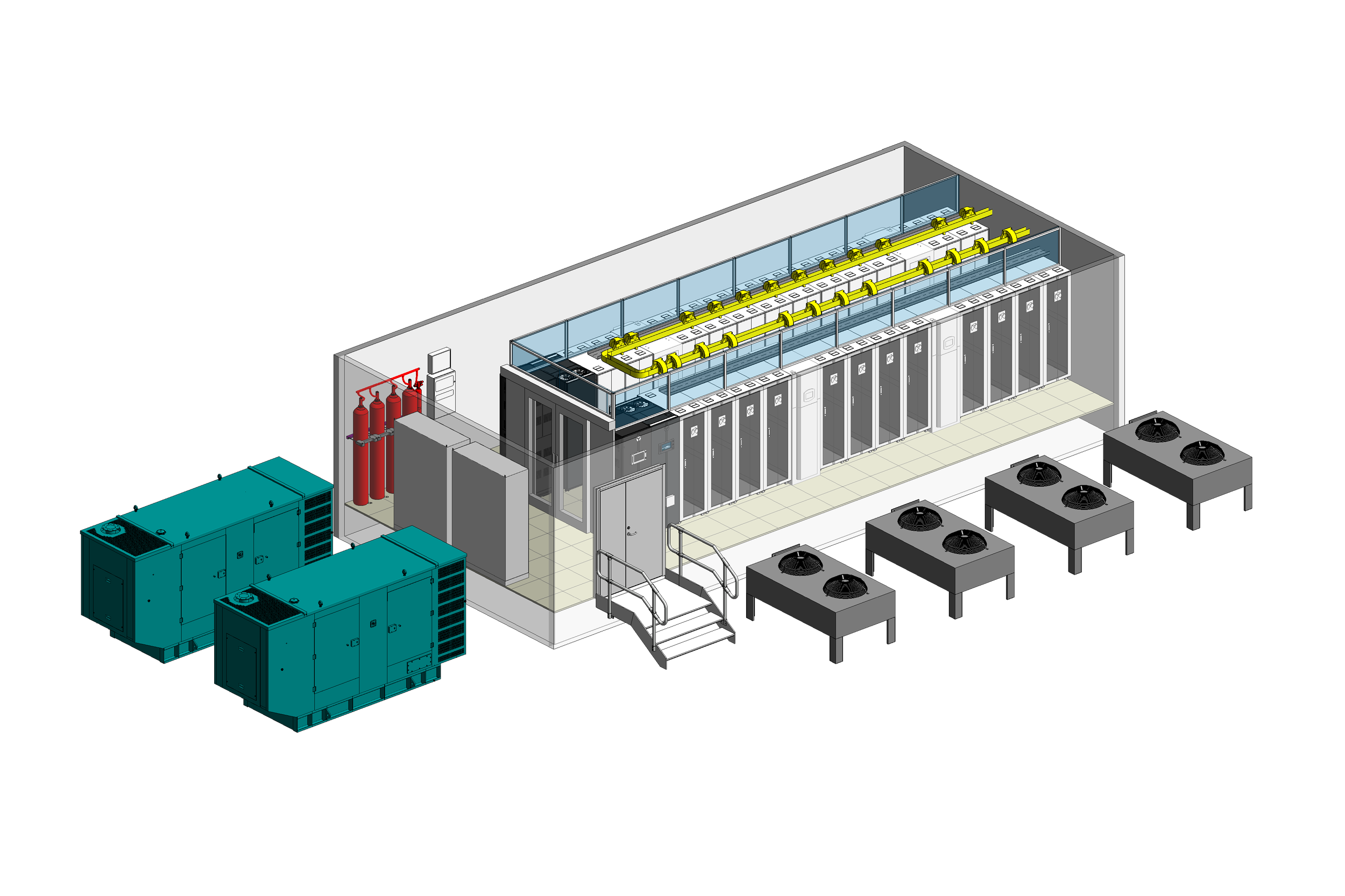
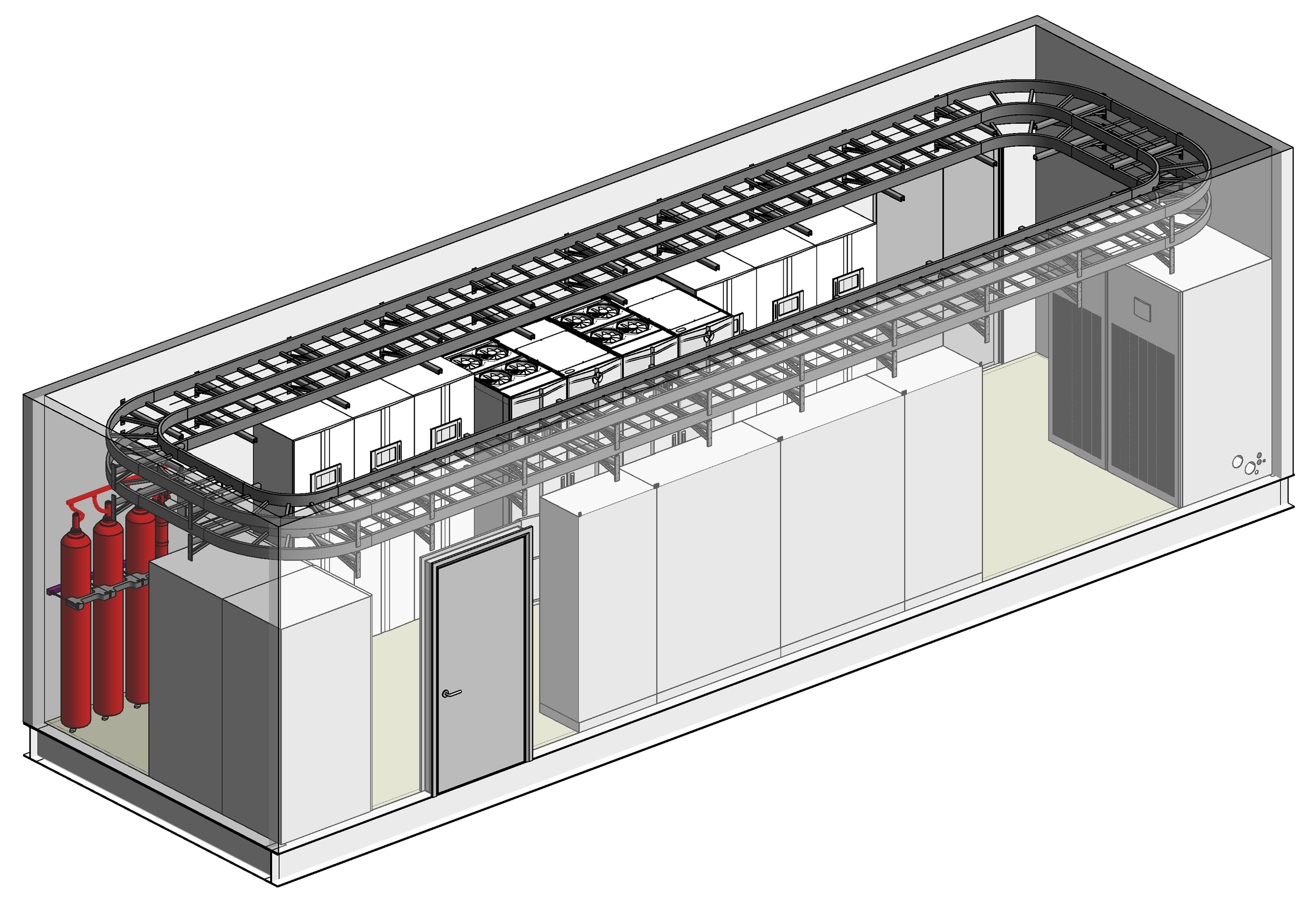
Waiting 18-24 months for traditional construction is no longer viable in the AI race. Ecanet Engineers offers modular data centre infrastructure - from prefabricated power skids to liquid‑cooled rack modules - that cuts deployment timelines by months. Faster build, lower risk, and full compliance from day one.
We de‑risk your project against grid and equipment constraints
With up to 50% of US AI data centres facing delays due to electrical equipment shortages and grid limitations, Australia is not immune. Ecanet Engineers proactively sources long‑lead components, designs for grid resilience, and works with local utilities to secure connection agreements that align with the new expectations.
Ready to build AI infrastructure that’s fast, compliant and future‑proof?
The opportunity is clear. So are the stakes. Partner with Ecanet Engineers to turn regulatory requirements into a competitive edge.
Contact us today to discuss your next AI data centre project. Let’s build the intelligent infrastructure Australia needs.